Woolworths opened its first “next generation” store in Tygervalley earlier this year, and it is something of a show-stopper.
From the outset, the entrance signals a shift in thinking. Designed to feel more like a hotel lobby than a traditional shop, it invites customer to linger. A longer time in a store typically translates into higher spend, and the calm, considered environment makes browsing feel closer to leisure than necessity – a strategy increasingly adopted by high-end boutiques globally.
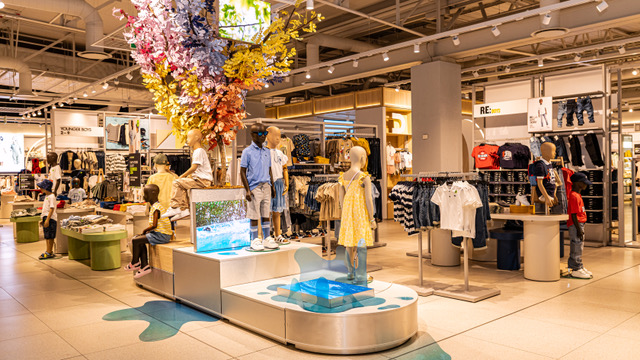
At its core, the concept is about differentiation and experience in an era dominated by online retail. Here, shoppers encounter warmth, personal service and a sense of being “looked after”. Gone are the harsh lighting and sharp edges; instead, the space is defined by soft illumination and tactile materials such as wood, stone and textured fabrics.
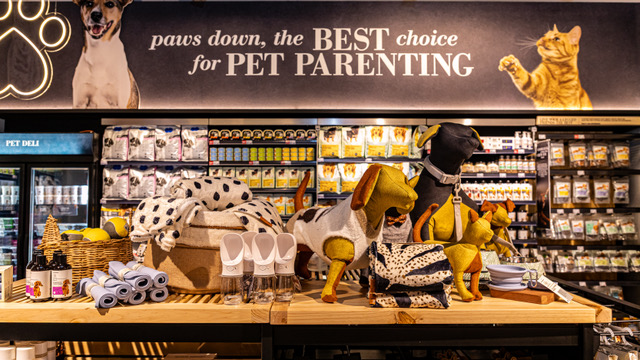
To heighten this sense of immersion, Woolworths layers in sensory and social elements: curated music, scented zones, café -style corners, tasting bars and informal social nooks. The store blends categories seamlessly –beauty, food, home, fashion – turning the space into an experience rather than a transaction point. Like a hotel, it offers flexibility: places to sit, test products, host demonstrations or events, without feeling overtly commercial.
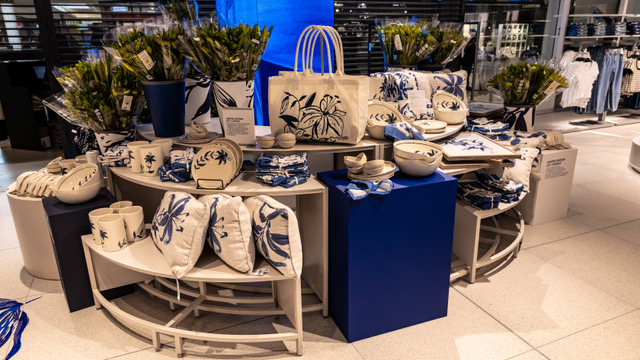
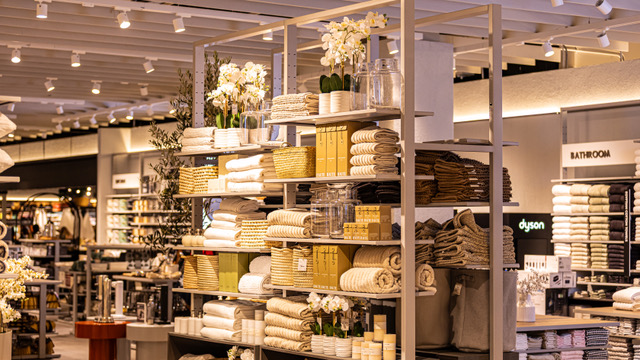
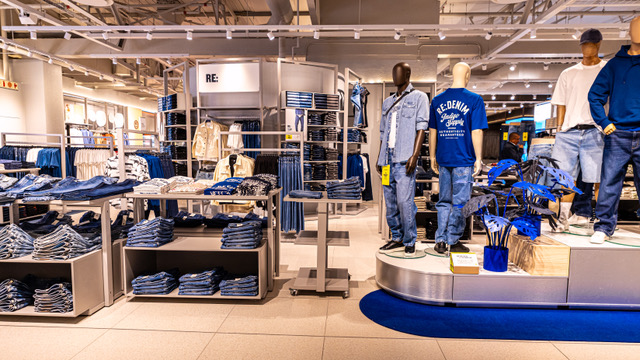
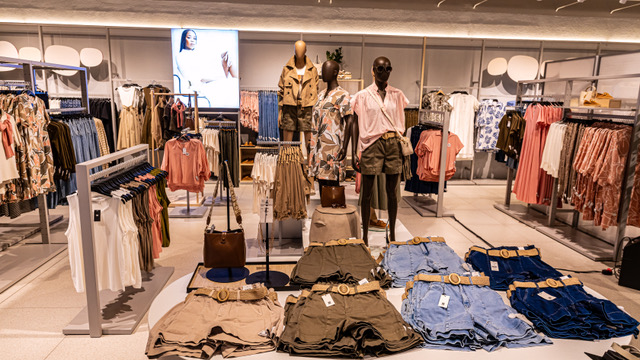
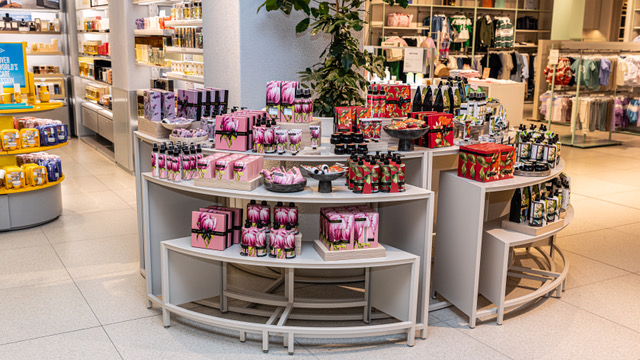
The layout is spacious and thoughtfully designed. Displays feature rounded edges, walkways are wider, and multiple payment points ease flow. Beauty takes centre stage in a dedicated “beauty square,” complete with consultants and a small spa offering skin analysis. Denim occupies a prominent position as a “must-win” category, alongside chinos, T-shirts, lingerie and kids-wear. Each department has its own scent and curated soundtrack, with variations in wood tones subtly distinguishing women’s and men’s areas.
Value-added services further elevate the offering: complimentary denim laser engraving at the RE: Denim station, free tailoring, professional bra fittings, gift-wrapping in homeware, and a beauty hub with a mini spa.
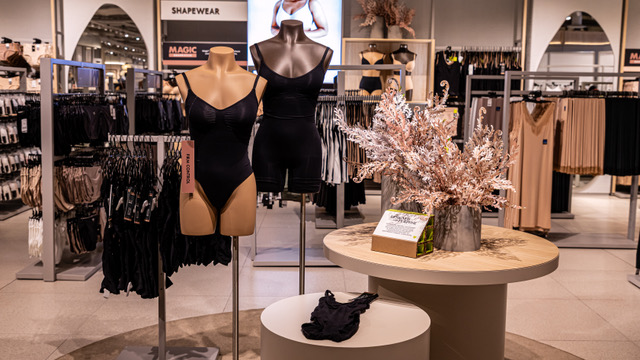
Sustainability is woven into the design. Fixtures are made from re-used materials; mannequins are crafted from biodegradable coffee sacks; tables incorporate invasive alien timber from Knysna; and some in-store plants are created from recycled paper. A raised ceiling has transformed once- dark areas into bright, airy spaces.
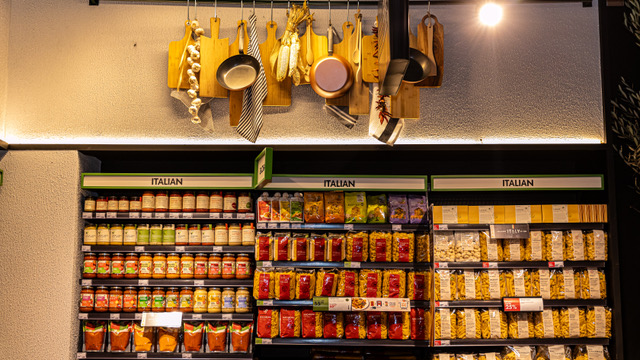
The food department, by contrast, is moodier and more atmospheric, creating a deliberate yin-and-yang effect. It features a recipe bar, artisan bakery, cheese and butchery counters, and an international pantry with brands such as Ottolenghi. Woolworths also leans into premium local heritage foods, from free-range shisanyama-style lamb riblets and slow-cooked ox tripe to Durban-style chicken curry, and umleqwa -mature, free-roaming chickens prized for their depth of flavour.
At a time when value retailers such as Mr Price, Pep and Jet dominate much of the market, the decision to go big may raise questions. Woolworths executives, however, are clear: the brand is positioning itself firmly in the mid-to-upper tier, not competing at the lower end, and doubling down on the idea of t “affordable luxury” – particularly in women’s wear.