
Luxury fashion and accessory houses are increasingly extending their brands into hospitality. A hotel offers what retail alone cannot: time, immersion and emotional investment.
Where a store visit is fleeting, a hotel stay allows guests to live inside a brand’s world, deepening desire, loyalty and cultural relevance.
Luxury brands are no longer simply selling products; they are selling fully realised universes. Hotels give them a canvas to express their DNA across architecture, interiors, scent, service rituals and food – translating brand values into a lived experience rather than a transactional one.
The first luxury clothing or accessories house to do this was Versace, which opened Palazzo Versace on Australia’s Gold Coast in 2000. Widely regarded as the first true fashion-branded hotel, it was conceived as a complete hospitality experience built around a fashion house’s identity, rather than a branded suite or design collaboration.
Among the most established players is Bulgari Hotels & Resorts, one of the earliest and most respected fashion-house hotel groups. With properties in Milan, London, Dubai, Bali, Tokyo, the brand translates jewellery craftsmanship into material choices, service rituals and understated opulence, often in partnership with leading luxury hotel operators. Bulgari continues to expand, with new properties – including one in the Maldives – in development. Photos of Bulgari hotels:
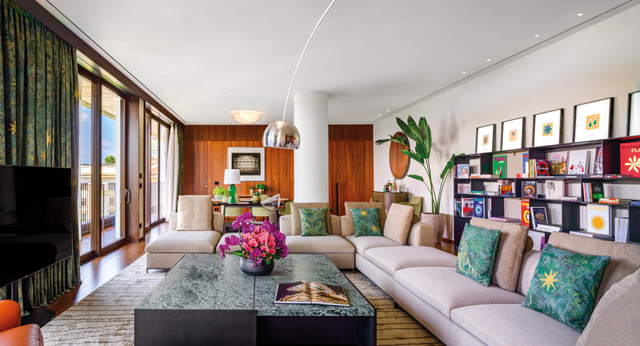
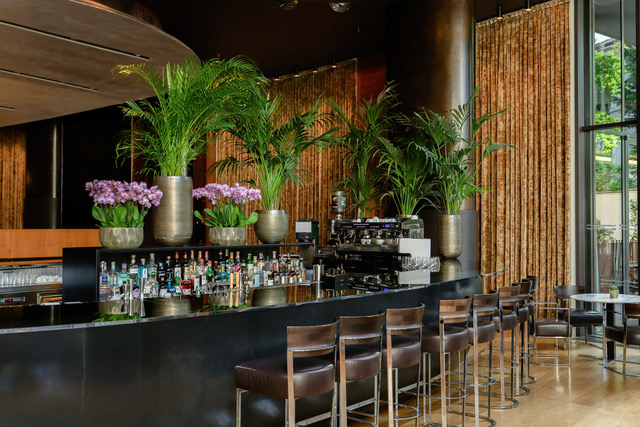
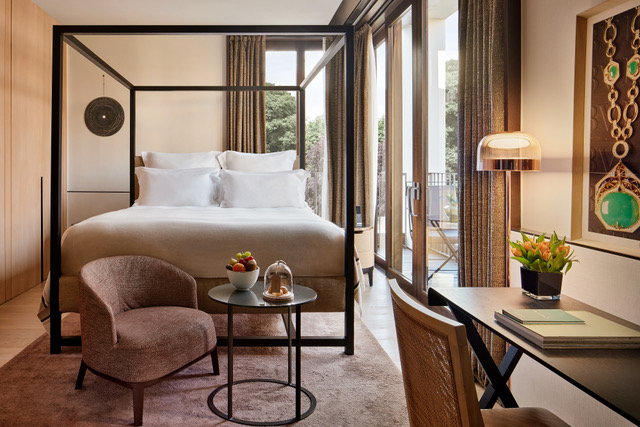
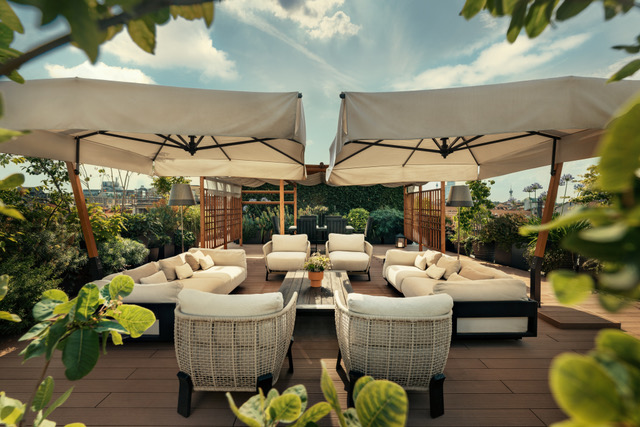
Armani Hotels has similarly turned a fashion philosophy into a physical space. Its hotels, most notably in Dubai and Milan, reflect Giorgio Armani’s restrained, minimalist aesthetic, expressing a coherent luxury lifestyle rather than decorative excess. Photos of Armani Hotels:
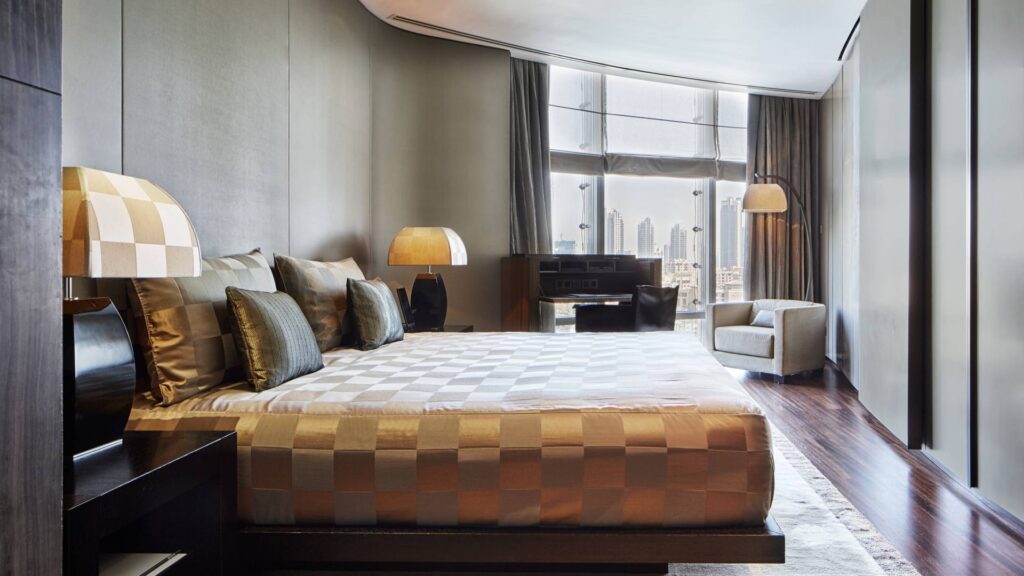
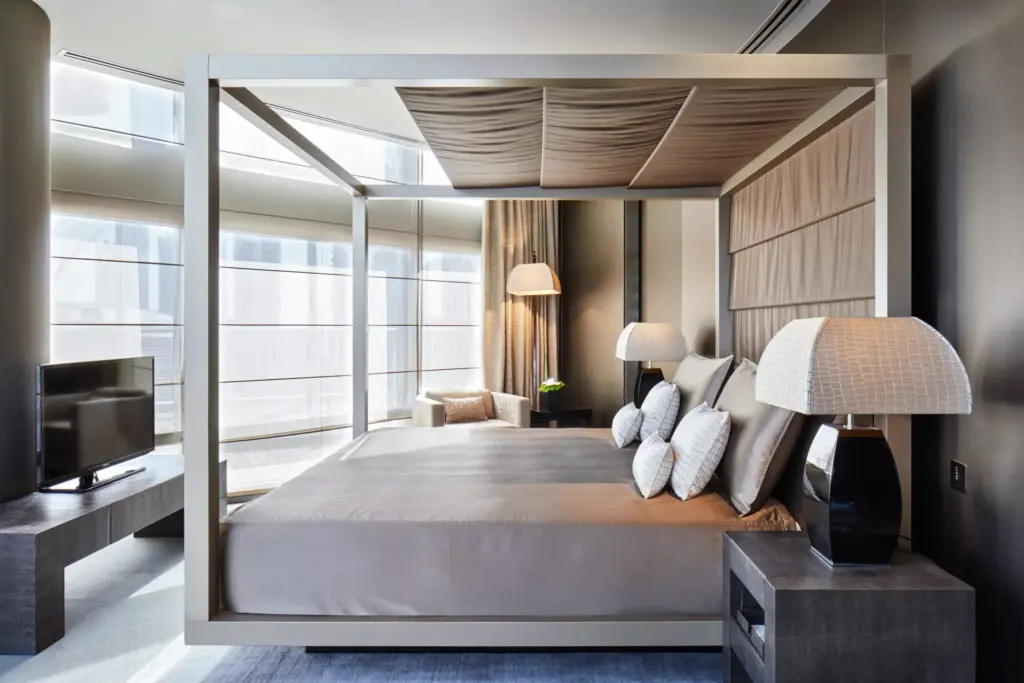
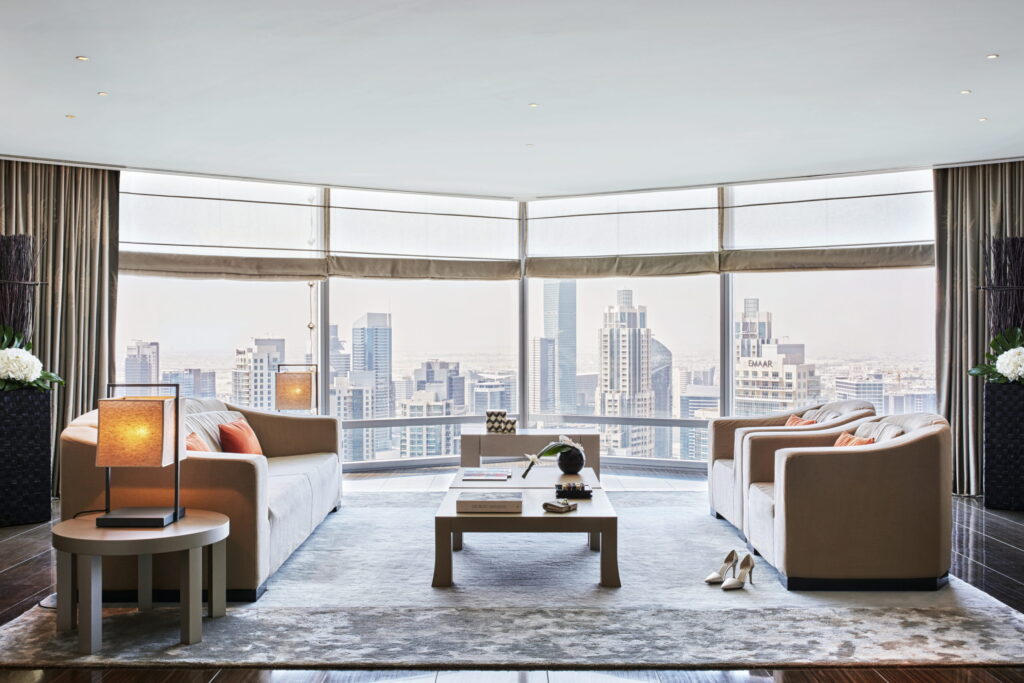
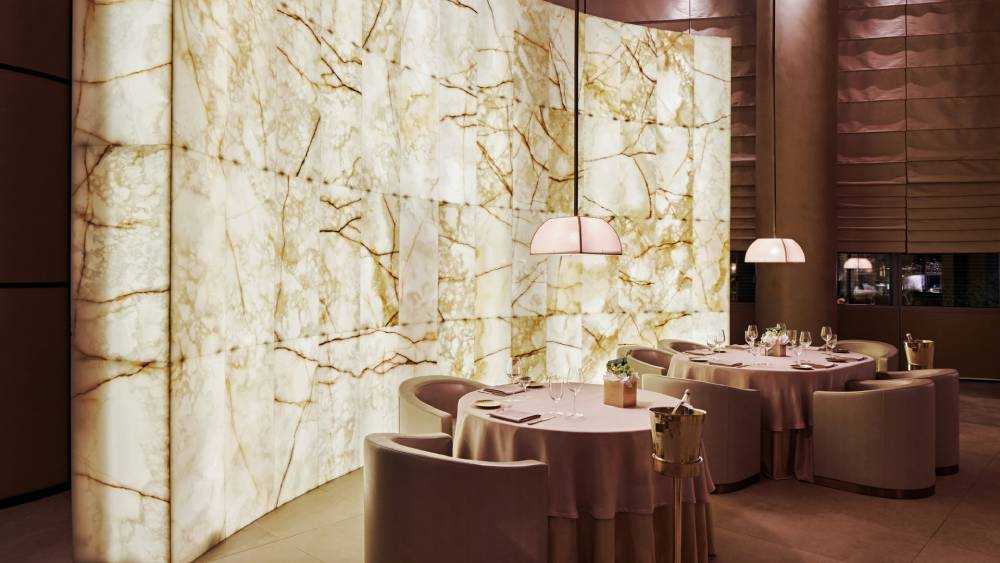
Palazzo Versace hotels, by contrast, are deliberately bold and glamorous. Locations such as Dubai showcase the house’s maximalist sensibility, transforming high-octane fashion into a theatrical, immersive environment. Photos from Versace hotels:
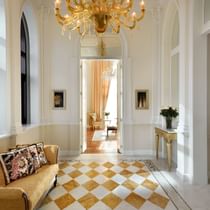
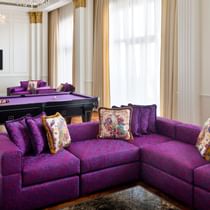
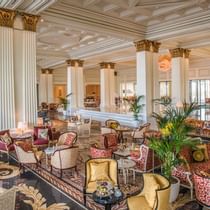
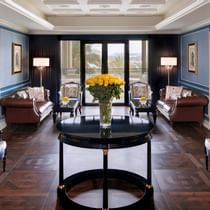
While smaller in number, Dior has also explored branded hospitality through intimate concepts such as Hôtel Particulier de Dior and La Suite Dior in Paris, that immerse guests in the maison’s universe. Louis Vuitton is planning to open a hotel on the Champs-Élysées in Paris as part of a broader move into hospitality.
Hotels offer luxury brands something uniquely powerful: access to high-value, captive audiences. Guests are typically affluent, international and culturally curious – and they spend days, not minutes, with the brand. In a relaxed, often celebratory or indulgent mindset, travellers are more open to aspiration, storytelling and impulse than they would be during a brief retail visit.
The local picture:
In South Africa, we’re seeing fashion intersecting with hospitality. Thebe Magugu, one of the country’s most internationally acclaimed designers, is collaborating with the Mount Nelson, part of the Belmond portfolio. The partnership includes a designer suite reimagined through Magugug’s Afro-modernist lens and forms part of Belmond’s New Designer Residence concept.
Complementing this is Magugu House in Cape Town, a hybrid boutique and cultural space that presents his fashion collections alongside art exhibitions, salon-style events and curated programming – extending the designer’s universe beyond clothing and into culture, place and experience. END