
Experience Counts
Two of retail’s most closely watched turnarounds right now are being led by men in their seventies.
These aren’t wunderkinds. They’re not management consultants parachuting in with a 90-day plan and a deck full of buzzwords. They’re men who already did this job, at the exact companies, decades ago — and have been called back to do it again.
In the UK, Allan Leighton has returned to run Asda, the chain he helped turn into a British retail powerhouse in the 1990s. In South Africa, Sean Summers is back at Pick n Pay, the retailer where he spent decades building one of the country’s most admired businesses. Both companies drifted for years under other leadership. Both boards, faced with a choice between fresh blood and institutional memory, chose memory.
That’s the part worth sitting with. We live in an era that worships disruption – the “founder mode” 28-year-old, the outsider who sees what incumbents can’t. And yet when the stakes are genuinely highest, boards keep reaching for people who already know where the road leads.
Asda: rescuing a rescue
Leighton, 73, was Asda’s CEO from 1996 to 2000. Alongside chairman Archie Norman, he’s widely credited with the retailer’s original 1990s turnaround — right before selling the business to Walmart in 1999. Now he’s trying to bottle that lightning twice, and it isn’t going smoothly.
Since a highly leveraged £6.8 billion buyout from Walmart in 2021, Asda has slipped from genuine Tesco- and-Sainsbury’s challenger into a business bleeding market share and cash. Leighton’s plan, branded “Formula for Growth,” is really about restoring Asda’s reputation as a genuinely cheap supermarket, and fixing the basics – stock on shelves, stores that actually function – that had quietly come undone.
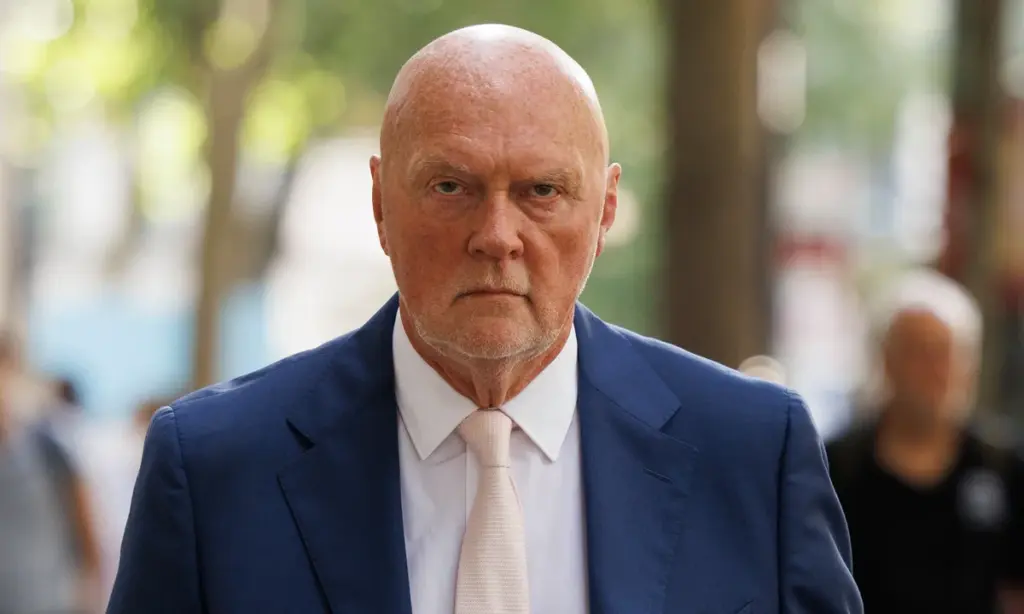
Here’s the catch, though: this turnaround may be harder than his first. Asda isn’t just fighting Tesco and Sainsbury’s anymore. It’s fighting Aldi and Lidl too, and it’s doing it with a much heavier debt load than it carried in the ‘90s. Photo of Allan Leighton:
Pick n Pay: steadying the ship
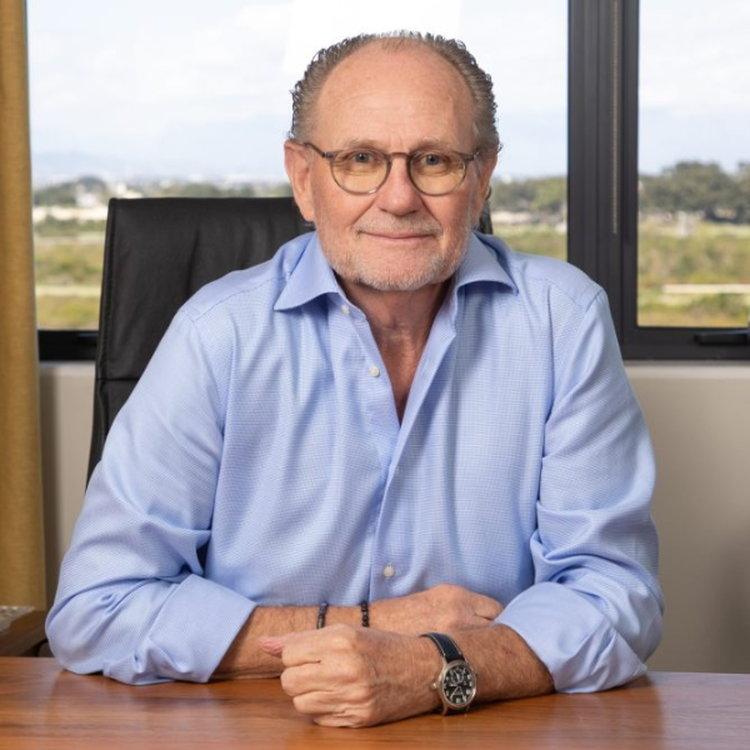
Summers is something like a local legend in South African retail. First appointed CEO in 1995, he built a career across global retail before returning to Pick n Pay in September 2023 — at 70 — after the board dismissed underperforming CEO Pieter Boone.
His pitch wasn’t flashy. No pivot, no reinvention. Just “great physical stores with excellent people and a strong emphasis on fresh products.”
The results are real, if incomplete. Summers has been candid that the road hasn’t been smooth, and the group has pushed its profit break-even target back more than once — his argument being that a business Pick n Pay’s size needs long-term fixes, not headline-grabbing quick wins. He’s tackling unglamorous structural problems (employee costs he’s said are out of step with the rest of the industry) while also doing the fun, footfall-driving stuff – Springbok matchday meal deals, burger and pizza specials.
The rise of the boomerang CEO
Leighton and Summers aren’t outliers. They’re the latest entries in a pattern boards have been doing for a while now: bringing back the people who left.
Steve Jobs was pushed out of Apple in 1985 and came back in 1997 to rebuild it into the most valuable company in the world. Howard Schultz left Starbucks, came back after eight years, more than tripled the share price, then returned again for a third stint. Michael Dell returned to Dell in 2007. Bob Iger came back to Disney in 2022.
The logic is obvious. In a crisis, boards don’t want a hypothesis – they want certainty. A returning CEO brings institutional memory, existing relationships, and zero learning curve. They can move fast and make hard calls because they already know where the bodies are buried.
But there’s a less flattering reading of the same trend: if you have to keep going back to the same well, maybe you never built a bench in the first place. The rise of the boomerang CEO isn’t only a vote of confidence in experience — it’s a quiet admission that succession planning failed somewhere along the way.
What strikes me most about Asda and Pick n Pay specifically is that neither Leighton nor Summers was hired for fresh ideas. They were hired because they already understood the culture, the customer, and — critically — exactly where things went wrong the first time. Both companies had already tried the outside-executive or private-equity-strategy route. Neither worked.
So when a company loses its way, maybe the most reassuring answer isn’t a new face with a shiny CV. Maybe it’s someone who’s already walked the road once and knows exactly where it goes wrong.
The bigger question is what happens after Leighton and Summers are gone again. Will either company have actually built the next generation of leadership – or will we be reading about a third boomerang in another twenty years?