
Sixty60 has reshaped grocery delivery in South Africa, setting a new benchmark for speed, assortment and customer reach. In doing so, it has become a household brand in its own right.
What began as a grocery service has expanded into pet food, electronics, alcohol and everyday convenience items. Through Checkers Hyper, the platform now sells products ranging from TVs and vacuum cleaners to camping gear and pool equipment. The group is also developing clothing delivery, with returns functionality built into the model.
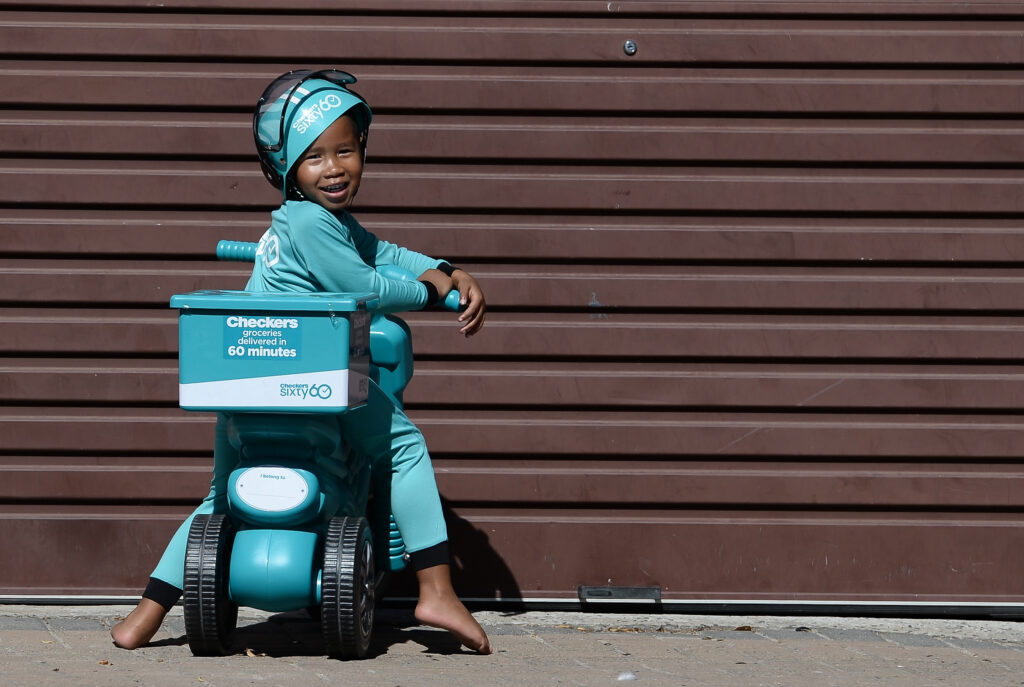
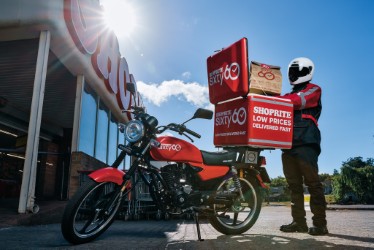
Annual sales reached about R18.9-billion in the year to June 2025 ,operating out of 694 stores. For context, Pick n Pay turnover of R118.6-billion for the year to March 2025, Woolworths R81-billion and Spar R152.3-billion.
Sixty60 is widely regarded as one of South Africa’s most successful digital retail launches and a benchmark for rapid fulfilment, demonstrating that incumbents can out-innovate startups. A key advantage is extensive store footprint, which allows the business to fulfil orders from existing Checkers stores and deliver quickly to surrounding communities.
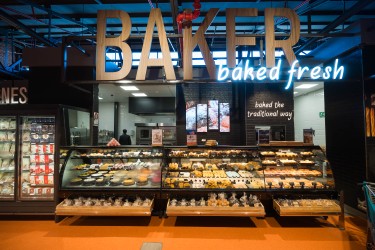
The model relies on pick-from-store fulfilment, tight delivery radiuses, low capital intensity and fast delivery times. It has created about 15200 jobs and has grown into the country’s largest digital retail platform.
Online deliveries now account for 8.9% of supermarket sales, with more than 100-million deliveries completed by July 2025. Sixty60 customers are almost four times more valuable than in-store-only shoppers, driven by higher average order values. Further expansion is planned into pharmaceuticals, with the ambition that prescriptions are delivered before customers arrive home from the doctor.
Checkers is the fastest-growing food retail brand in South Africa, and the scale of the Sixty60 platform combined with the group’s physical footprint and execution capability, positions Shoprite as a likely long-term market share winner. Unlike pure-play quick-commerce rivals, Sixty60 operates largely from existing stores rather than costly standalone warehouses, keeping capital expenditure low while enabling speed.
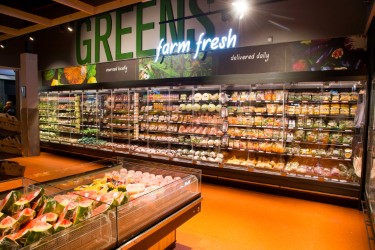
Covid-19 accelerated adoption, but the service continued to flourish as consumer habits stuck, service levels remained high and expansion was disciplined. By the time competitors entered the market, Sixty60 was already embedded.
The platform is underpinned by Shoprite’s logistics expertise, buying power and margin discipline, as well as its ability to absorb short-term costs in pursuit of long-term dominance. It also aligns closely with South African shopping behaviour: frequent top-up purchases, a strong food culture and growing comfort with apps but a low threshold for complexity.
Sixty60 has also reset expectations across food and restaurant delivery, normalising rapid turnaround times for everyday purchases and reducing consumer patience for slower platforms.
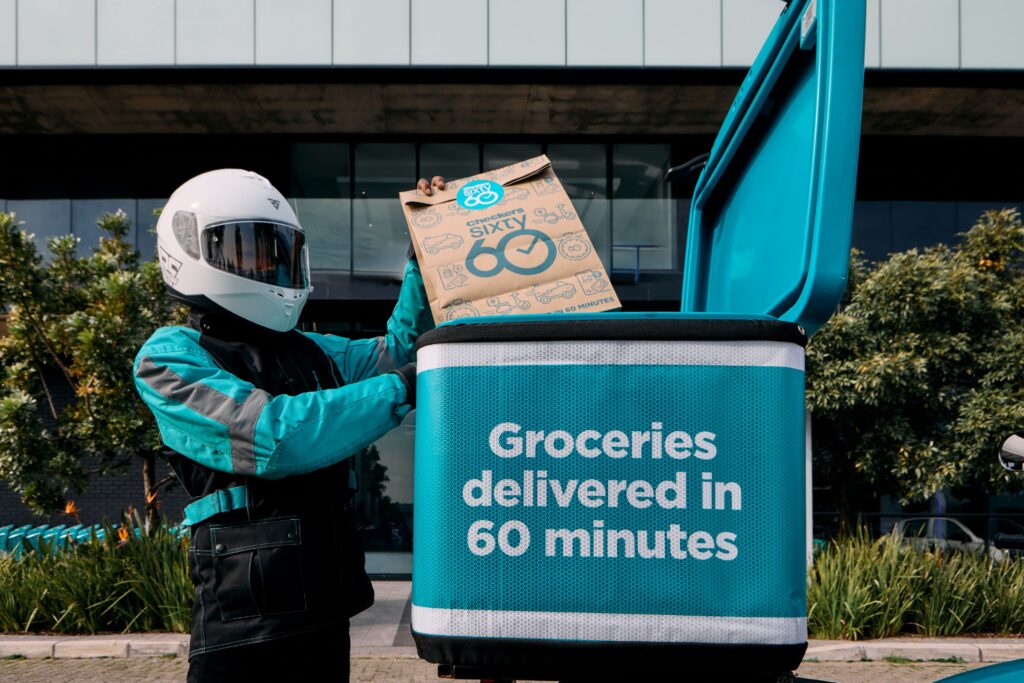
It’s also impacted expectations of restaurant and food delivery platforms. The platform normalised fast delivery for everyday food items, which made consumers less tolerant of slower turnarounds from restaurant delivery platforms.
Much of its growth is understood to have come at the expense of Woolworths Food, with the two competing in the premium segment, while Woolies Dash continues to lag Sixty60.