
Twenty years ago, Natasha Sideris opened a single restaurant in a neighbourhood shopping centre in Atholl, Johannesburg. The plan was modest: create a welcoming daytime space, write a cookbook, maybe go to university to study psychology. Instead, she built one of South Africa’s most recognisable hospitality exports – and then moved its centre of gravity to the Middle East. Image of Natasha Sideris:
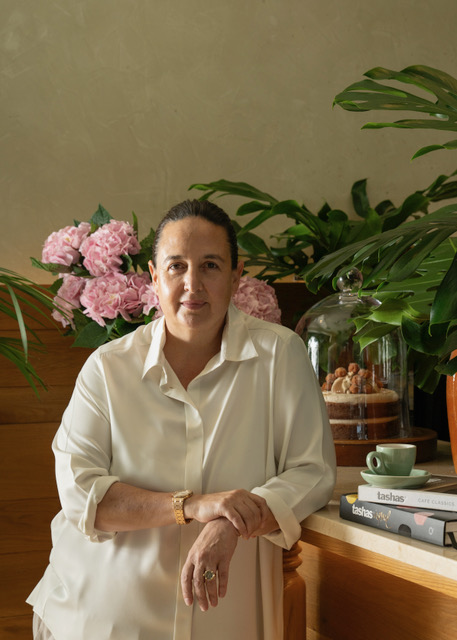
Today, the Tashas Group spans 14 brands across South Africa, the United Arab Emirates, Saudi Arabia, Bahrain and the UK, with more than 40 locations and counting. Its ambitions now extend far beyond restaurants into retail, design, training academies and, potentially, boutique hotels. What began as a café concept has quietly evolved into a global lifestyle business.
And yet, there was never a master plan. The big moves happened organically, says Sideris. “London, Dubai, the cookbooks- everything came in its time.”
When the first tashas opened, Johannesburg’s dining scene leaned heavily towards themed cuisine – Italian, Portuguese, steakhouse. Sideris saw an opportunity for something different: a design-led environment where people could hold meetings, catch up with friends or stop in between school runs.
Fresh, made-to-order food was central, but so was atmosphere. Light-filled interiors, layered textures and an almost stylish residential sense of comfort became signatures. The formula struck a chord from the get-go. Images of various tashas restaurants:
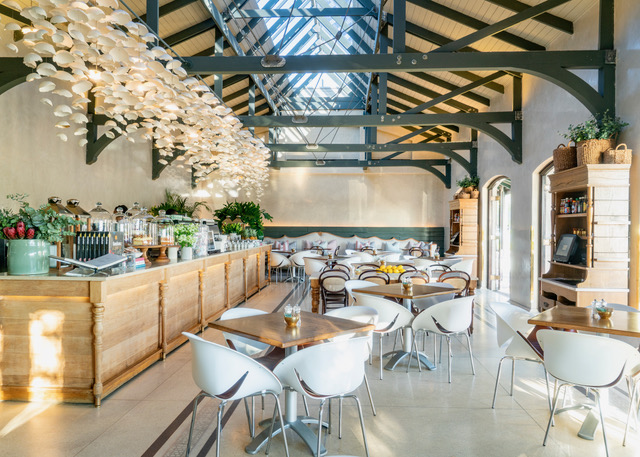
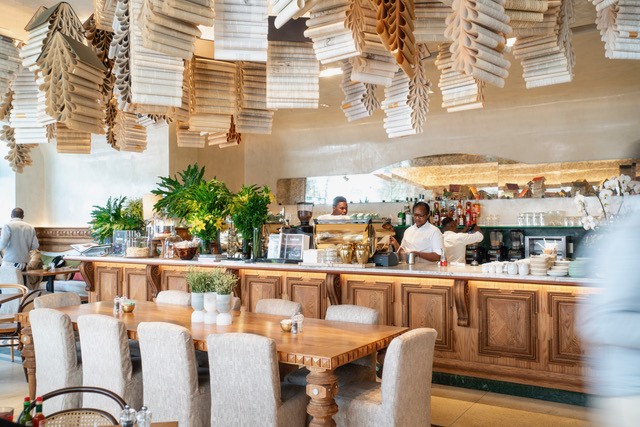
The brand’s success lay in understanding behaviour as much as hospitality. Tashas wasn’t about occasion dining; it was about everyday life, elevated.
Global expansion is notoriously difficult in hospitality. Tastes differ. Labour markets shift. Training systems rarely translate seamlessly. Sideris approached growth cautiously, recalibrating constantly for food costs, staffing and cultural nuance.
“Training and people are everything,” she says – a philosophy reflected in weekly operational audits rather than the industry-standard monthly reviews.
Her reputation as a meticulous micromanager is well earned. She still tastes every dish, signs off materials and obsess over details down to cutlery placement. At the Dubai head office, each brand name is pinned to the wall with its own evolving to-do list, while cupboards of magazines – travel, food interiors – serve as creative fuel.
Yet the culture she describes is intensely loyal. Staff receive birthday leave and annual flights home, and many have been with the group for more than a decade. Stories like Precious Dube’s – from scullery worker to general manager of Tashas Jumeirah – are part of the company folklore.
Dubai became the launchpad. Sideris first visited reluctantly, encouraged by industry allies to explore expansion. But the city’s appetite for premium, design-forward dining – combined with its openness to new concepts – proved catalytic. Dubai offered both scale and access to regional markets, allowing the group to establish a Middle Eastern headquarters that now drives much of its growth. From there, the portfolio diversified rapidly.
Avli by Tashas draws on Sideris’s Greek heritage, translation Athenian courtyard culture into a refined dining experience in Dubai’s financial district. Flamingo Room channels a polished, contemporary interpretation of African glamour, while Bungalo34 delivers Riviera-style beachside dining with an Ibiza-inflected ease. Images of: Avli, Flamingo Room, Bungalo34:
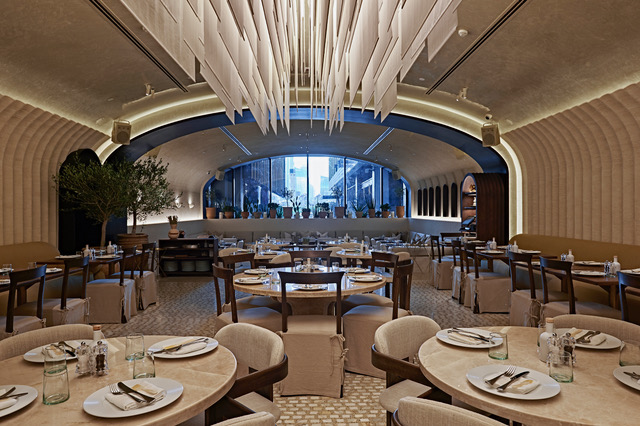
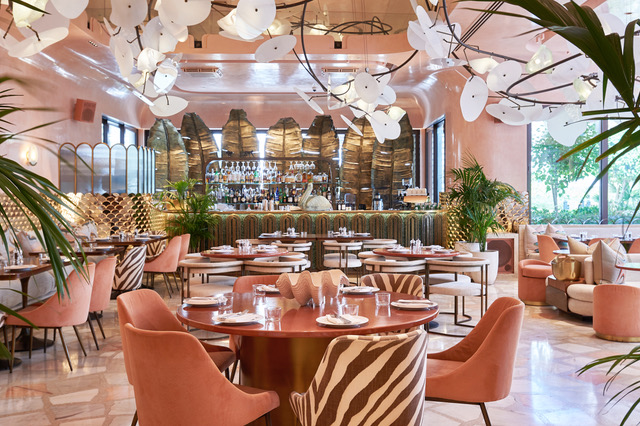
Each concept is distinct, but united by narrative. Sideris builds restaurant around memory – places she has lived, travelled, envisioned – giving them personality rather than formula.
The group is launching across various market segments. Nala, launched in Dubai’s creative Al Serkal district, targets a younger audience with a fast-casual model – shorter menus, eight to 12-minute turnaround times and accessible pricing. Still, the essence remains intact: food made fresh to order, with playful South African touches such as peppermint crisp pudding and Chappies at the till. Image of Nala:
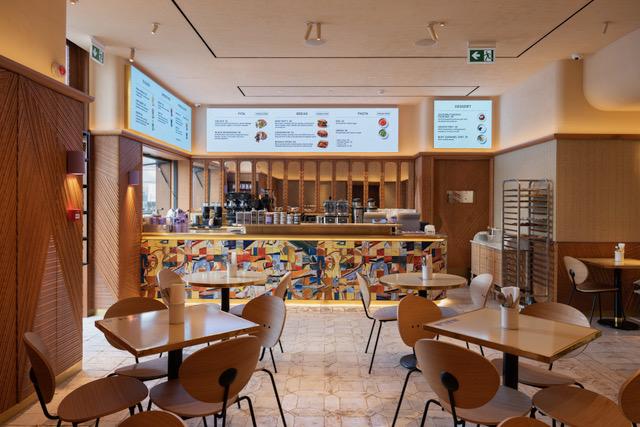
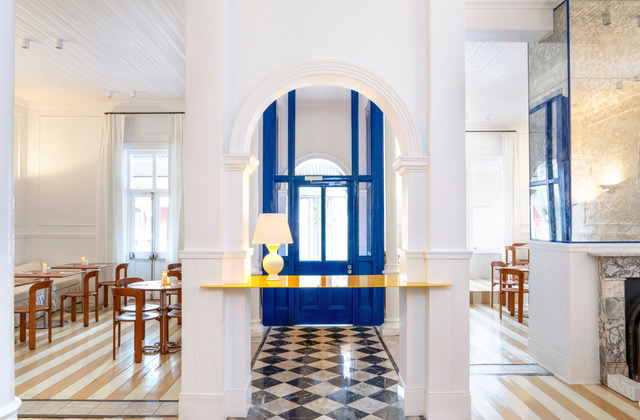
There’s Arlecchino, recently opened in Cape Town’s Sea Point. Inspired by Italian seaside nostalgia and La Dolce Vita. Tashas Home, Sideris’s long-held move into retail, offers tableware and decor developed alongside the restaurants. It signals a strategic shift from hospitality brand to lifestyle ecosystem that touches spaces and objects. Café Sofi in Gardens is a personal project by Natasha and her brother and business partner Savva (the founders) created as a tribute to their mother, Sophia Electra with her passions – cakes, cats, orchids, leopard print, polka dots – reflected throughout the design and daily specials. Image of Café Sofi:
Behind the storytelling lies an assertive growth strategy. The group recently entered a major joint venture with UAE-based developer Arada to open at least 10 new restaurants across the Gulf within two years, while exploring the long-term potential for hundreds of Nala outlets in major global cities.
Saudi Arabia, where the brand opened its first site in late 2024, is expected to become a major focus from 2027 onward. The UK remains profitable but operationally challenging due to high costs, making further expansion there contingent on local partnerships.
To support this scale, the company has strengthened leadership. Sideris’ brother Savva joined a few years after the business was founded and now runs it with his sister. Brand director Tessa Graham now focuses on articulating each concept’s identity, while culinary director Jill Okkers and beverage director Krystian Hordejuk oversee menus and the group’s bar programme, including the acclaimed Galaxy Bar. Even so, Sideris remains the final gatekeeper. Images of Galaxy Bar:
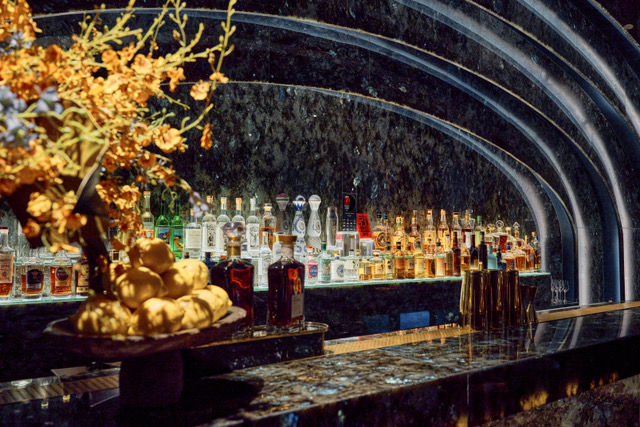
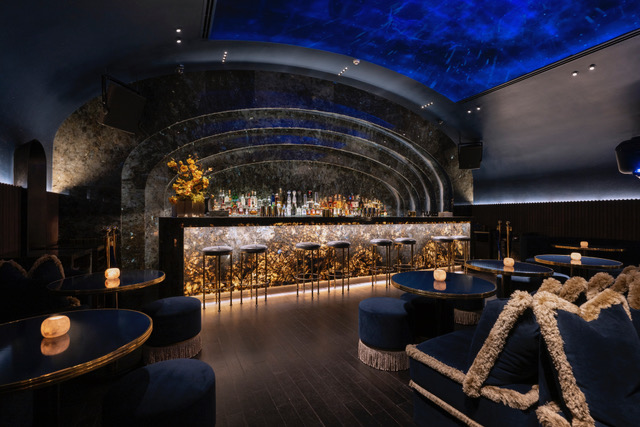
Graham has worked with celebrity chef Jamie Oliver and ocean advocate Lewis Pugh and has been with Sideris as a consultant for more than 15 years, focusing on clarifying what the brands stand for and how they align with the values and vision of the founder.
Despite its international trajectory South African influence runs deep. Many staff members trained locally before relocating abroad. Creative collaborators – from interior architecture studio Verhaal to artists and designers – are frequently South African exports themselves.
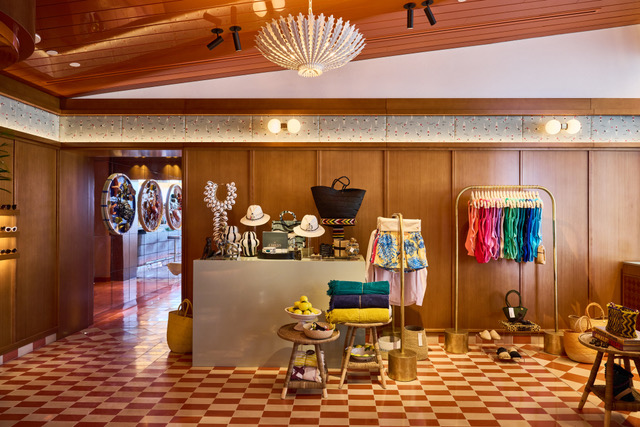
Collective Africa, the group’s retail concept, curates design-led goods from Africa alongside global pieces. While back home, Cape Town has become a testing ground for new ideas, with recently openings marking a renewed domestic focus alongside Middle Eastern growth. Image of Collective Africa:
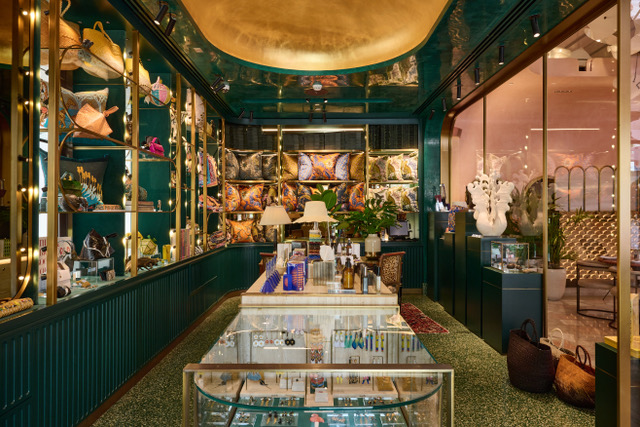
Sideris’s entrepreneurial path hasn’t been linear. In 2008 she sold a 51% stake in Tashas to Famous Brands, only to buy it back in 2020 – a decision she now believes she could have made earlier. The re-acquisition restored independence just as the group which set the platform to enter its most ambitious expansion phase.
Funding for growth is now being raised through a private placement to possibly sell a minority stake, enabling reinvestment while allowing early partners to realise value.
Yet she remains characteristically ambivalent about corporate milestones. “I might get cold feet,” she jokes. “I’m going to keep doing this until I can’t do it anymore.”
Among the ideas quietly percolating is a boutique hotel – possibly in Athens, Cape Town, or another city aligned with the brand’s sensibility. Such a move would complete the shift from restaurant operator to holistic hospitality company.
For now, the focus is on disciplined growth: entering the right markets, with the right partners, at the right pace. Expansion, Sideris believes, is less about scale than about resonance.
“People have chosen, in a competitive world, to spend their money at your restaurant,” she says. “you must make sure they feel recognised.”
Sideris often attributes her success to “a wild mix of dumb luck and very hard work”. But the through-line across two decades is neither luck nor scale – it’s clarity of vision.
Her advice to aspiring restaurateurs is disarmingly simple: don’t chase trends. Build something rooted in authenticity, then surround yourself with exceptional people.
That philosophy has taken a single Johannesburg café and transformed it into a cross-continental brand with ambitions that now stretch well beyond restaurants. And at heart, it remains what it always was: a place designed for people to sit down, feel comfortable and stay a little longer than planned. END