
Beauty fairs sit at the intersection of commerce and experience, providing a platform for retailers to reconnect with shoppers in person in an increasingly digital retail world. And the country’s biggest beauty fairs have become standout annual events.
For shoppers, they provide access to products, education and interaction that simply can’t be replicated online. For the brands, these events are less about immediate sales than long-term engagement. Exhibitors use the platform to collect customer feedback, build loyalty and reinforce brand positioning, often exchanging insights and experiences for samples and giveaways.
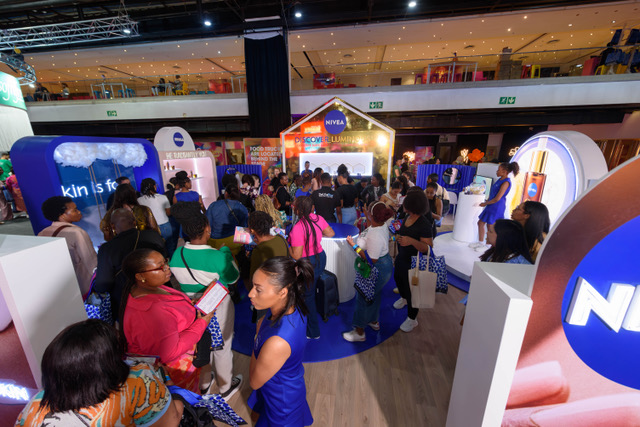
Consumers, in turn, benefit from product trials, live demonstrations, mini tests, make-up tutorials and at time expert advice, while specialist and inclusive local brands gain direct access to their target markets.
Run by South Africa’s two dominant pharmacy chains, Clicks and Dis-Chem, the country’s biggest beauty fairs successfully blend business and entertainment, generating visibility, excitement and trust – particularly in categories such as skincare and haircare, where consumers want to test products, see results and consult before buying.
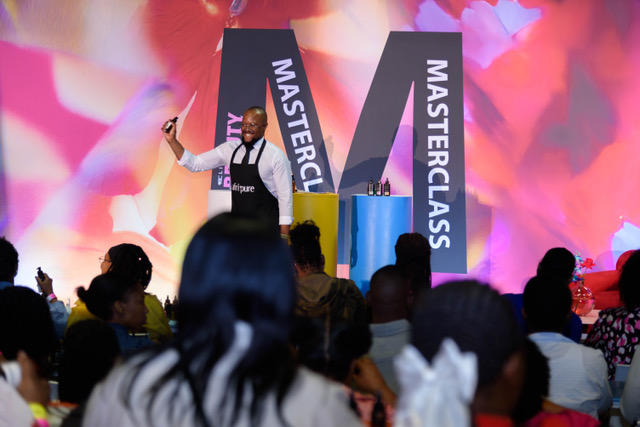
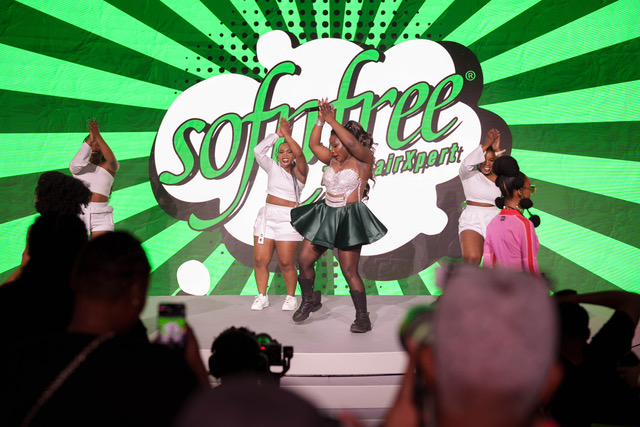
Clicks Beauty Playground is the largest beauty event in the country, bringing between 70 and 90 brands under one roof. It features a mix of global giants – including Dove, L’Oreal, Nivea and Revlon – alongside South African favourites such as AfriPure, Native Child and BiomeRenew. The event alternates annually between Cape Town and Johannesburg, with tickets capped and selling out within hours leaving a litany of irate consumers who feel left out of the fold.
Last year’s Cape Town edition, held at the Cape Town International Convention Centre, drew more than 5000 visitors over two packed days. The atmosphere was one of sensory overload: immersive brand activations, pampering stations and sampling zones created a constant buzz. Visitors were drawn into spinning wheels, quizzes, selfie stations and interactive games, leaving with armloads of samples, mini treatments and branded merchandise.
Some attendees queues from as early as 5am to maximise their time at the stalls, many heading out with multiple bags filled with creams, lotions, oral-care products and cosmetics. There are skincare and haircare sampling zones, wellness talks, masterclasses and social-media-driven activations which form a central part of the experience, while brands collected valuable consumer data through interactive engagement.
Local brands such as AfriPure, Oh So Heavenly, Protein Feed and Native child stood alongside international household names including Maybelline, Rimmel, Vaseline, Sensodyne and Parodontax, which hosted live oral-health demonstrations.
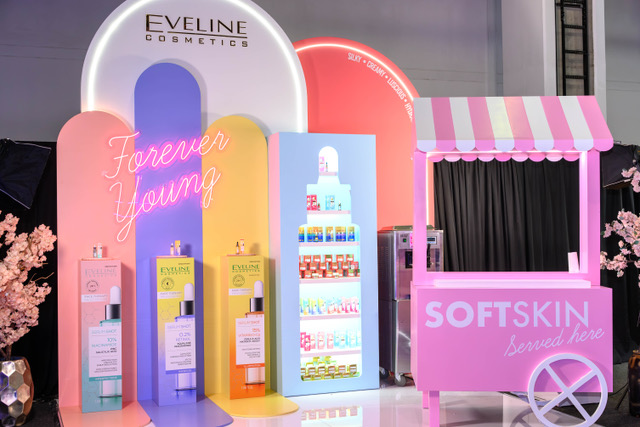
While fewer than half of exhibitors are local, Clicks places strong emphasis on South African suppliers, having spent around R1-billion on local procurement in recent years and committing R9-billion over the next five years, with a focus on black-and women-owned businesses.
For exhibitors, the cost of participation (setting up the stalls) can range from several hundred thousand rand to around R1-milion per stand. The return on investment lies not in immediate sales, but in customer engagement, brand recall and what Clicks describes as “customer delight” – reinforcing its position as a leading beauty and wellness destination.
Clicks holds about 43% of South Africa’s beauty market and 20% of the personal-care and baby categories. While private-label brands account for roughly 31% of sales, with plans to grow this to 35% within the next three to four years. Its in-house brand include Smudge, Sorbet and Sol Beauty.
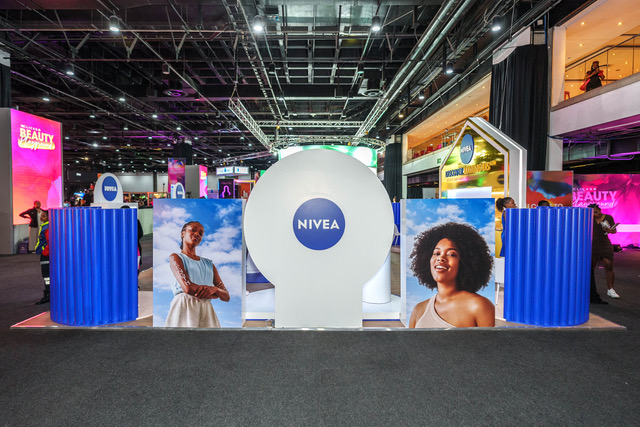
And while women make up about 79% of its shoppers, male grooming is a growing focus. Clicks launched its first men-focused event, the BroScape Five-a-Side Championship, last year. Male grooming in South Africa grew by 27% between 2019 and 2023 as self-care among men gained momentum.
Tickets to Clicks Beauty Playground cost R550, with goodie bags valued at several hundred – often thousands – of rand. The group also owns Sorbet, South Africa’s largest beauty salon chain, and operates The Body Shop locally under licence.
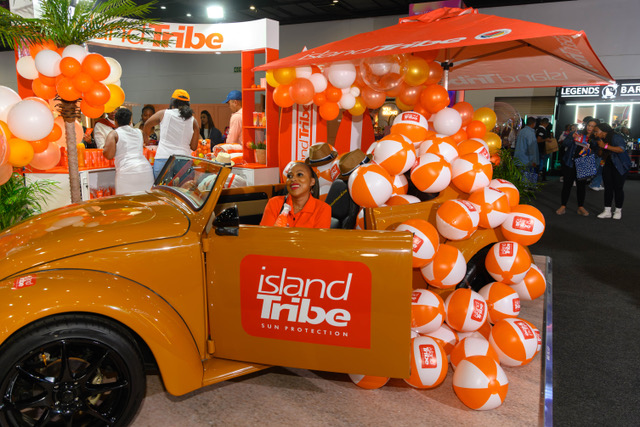
Dis-Chem hosts its own annual beauty fair, World of Beauty, a smaller and more relaxed multi-day event. This year it was held at Canal Walk Shopping Centre in Cape Town over five days, featuring brand stations, makeovers and expert consultations. Participating brands included LA Girl, Bioderma, Cetaphil, Eucerin, Nivea, Rimmel, Dark & Lovely and TRESemmé among others.
Globally, beauty and personal care generate between $590-bilion and $600-billion in annual sales. South Africa’s market was valued at about $5.7-billion in 2024 and is forecast to grow to roughly $8.3-bllion by 2033 – a trajectory that helps explain why experiential platforms like beauty fairs continue to gain momentum. END