
Nicolene and Tomer Elhadad were sitting in a coffee shop at Cape Gate Mall when the idea struck. Nicolene had watched families stroll by without stopping and said to her husband (who goes by the name Clyde): “Isn’t that sad?” Coffee isn’t five-star dining; it should be something everyone could do but she knew it was too expensive for most families to partake in.
Both had been raised in low-income homes, and knew the challenges of a household without means. They’d met on cruise ships, spent years travelling through North and South America, Australia and Europe – watching people drive across town for a flat white without thinking twice. That coffee culture hadn’t reached South Africa yet to that extent, but they believed it could – it just needed to be affordable.
They knew nothing about coffee, or food, and had never been in retail. Their businesses to that point were in distribution, accounting and logistics – service industries with none of the theatre of a shop floor. Friends and colleagues questioned the move, but Nicolene’s response was that someone else has already done this “and if they can, we can. We just need to figure out how.”
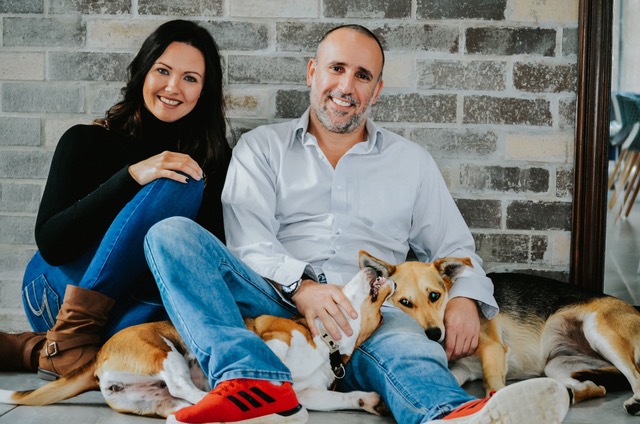
Figuring out how took two years. Nicolene visited more than 40 Cape Town coffee shops – watching and thinking about costs. She understood that a sit-down experience carries more cost – the cup, the washing, the staff. But when she stripped all that away and calculated what a quality takeaway coffee actually cost to make, the number surprised her. It didn’t have to be expensive.
In October 2016, Xpresso Cafe opened its first store in Durbanville. In the first week, there were lines of a 100 people out the door every day. Strangers who’d bought coffee told Nicolene the business wouldn’t last. But within their first year, the Eldahads owned and operated five stores. The franchise model that followed was built around a deliberate philosophy. They turned away more applicants than they accepted, wanting people for whom owning an Xpresso would change their lives – people who would run it themselves. “When you buy a franchise with us,” she tells prospective partners, “you’re changing six families’ lives.” Employment, she believes, is the most underestimated part of owning a business.
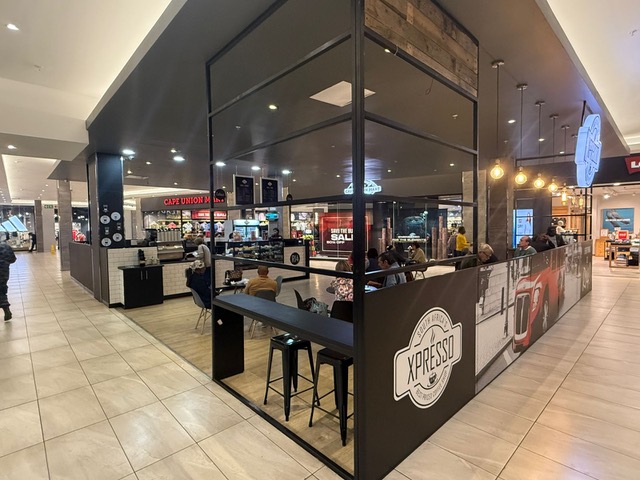
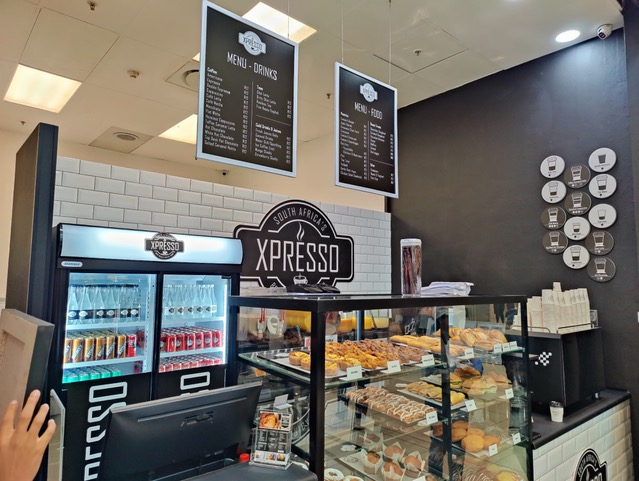
Today, Xpresso operates 80 stores across South Africa, with a particular stronghold in KwaZulu Natal, where Durban alone carries 36 outlets. The brand sells over three million items a month, about half of which are coffees. To supply that volume with consistent quality, the company took a series of vertical integration steps.
Jackass Roastery – their own roasting operation, founded five years ago – now sources beans directly from farmers in Brazil and elsewhere along the equatorial coffee belt, eliminating the middlemen. Clyde travelled to Brazil to meet the farmers.
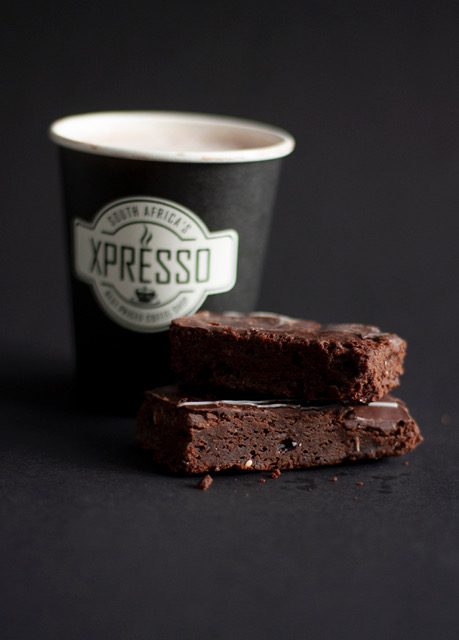
The company recently opened an in-house factory in Brackenfell, Cape Town, now producing five product lines daily – including the brownies that sell 30 000 units a month.
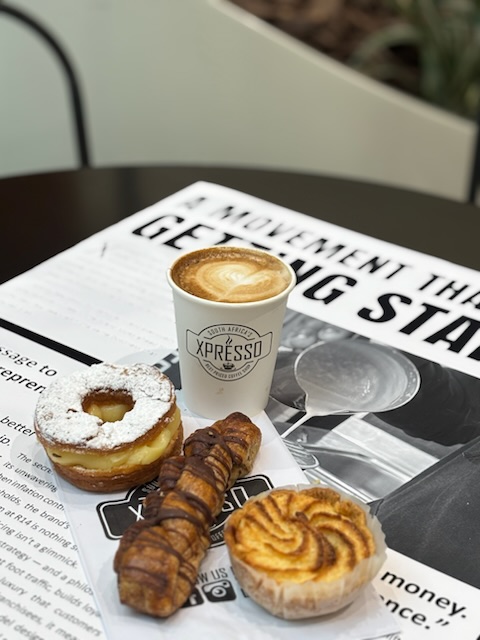
Pricing has remained the brand’s most discussed feature. When VAT increased form 14 to 15%, Xpresso absorbed the difference. The iced coffee is sold at near cost – kept on the menu not for margin, but because it brings people through the door and they often buy other items.
They run the business with one rule that overrides the others: their family comes first. For years, that meant not expanding to Johannesburg – it would have required both of them to be away too often. Now, with their three children older, they’re opening 20 stores in Joburg and Pretoria this year.
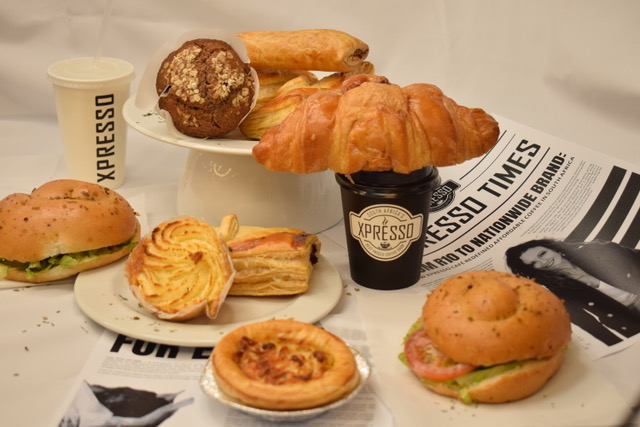
International expansion is under discussion with a simplified menu model being developed for markets where their factory footprint can be smaller, though as to where is under discussion. A 10th anniversary rebrand is coming at the end of the year which Nicolene is leading – the shops will look different, she intends the price to remain the same for as long as possible.